



Parasite
Antiparasitics are a class of medications which are indicated for the treatment of parasitic diseases such as nematodes, cestodes, trematodes, and infectious protozoa.
Parasite Isoform Specific Products
All Product Categories
-
Parasite Related Products (2504)
Related Products (2504)

-
Related Compound Screening Libraries (1)
-
Parasite Isoform Comparison
-
Dihydroartemisinin
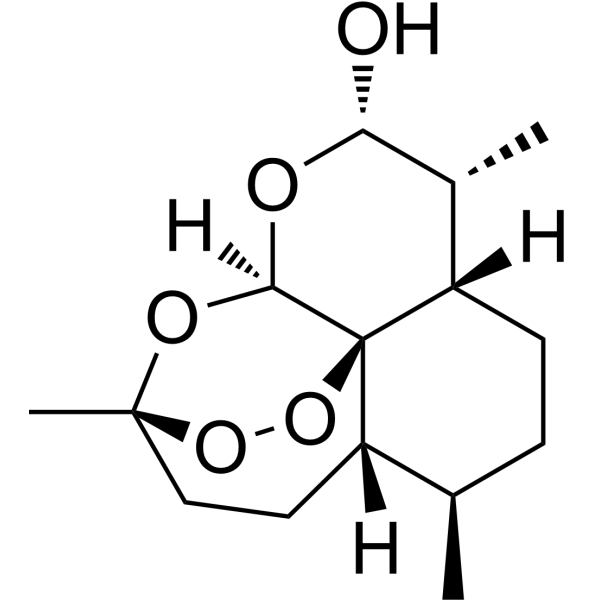 0 ImagesSynonyms: Dihydroqinghaosu; β-Dihydroartemisinin; ArtenimolDihydroartemisinin is an orally active metabolite of rtemisinin (HY-B0094) and antimalarial agent. Dihydroartemisinin induces Autophagy by inhibiting NF-κB activation. Dihydroartemisinin promotes ROS accumulation. Dihydroartemisinin exhibits anticancer activity in esophageal cancer cells. Dihydroartemisinin shows schistosomicidal activity against juvenile and adult worms of Schistosoma japonicum, reduces worm burden, and displays antiparasitic activity. Dihydroartemisinin can be used in research related to multiple myeloma, promyelocytic leukemia, esophageal cancer, and Schistosoma japonicum infection.
-
Doxycycline hydrochloride
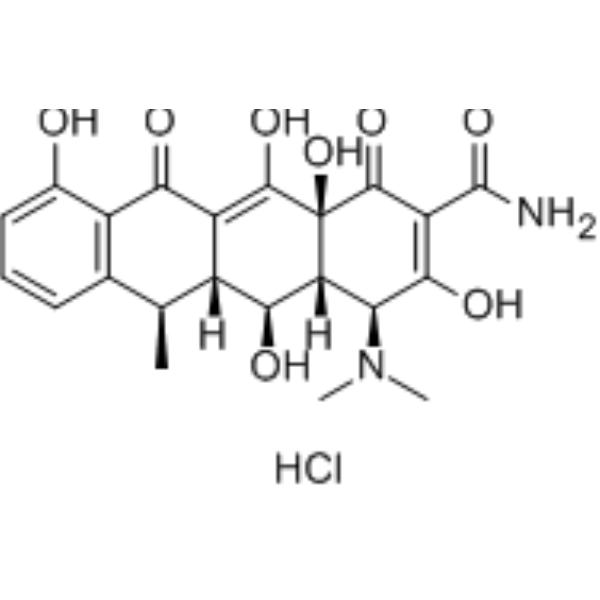 0 ImagesDoxycycline hydrochloride, an antibiotic, is an orally active and broad-spectrum metalloproteinase (MMP) inhibitor. Doxycycline hydrochloride shows antibacterial activity and anti-cancer cell proliferation activity. Doxycycline hydrochloride can be used to construct gene expression regulation models.
-
Ivermectin
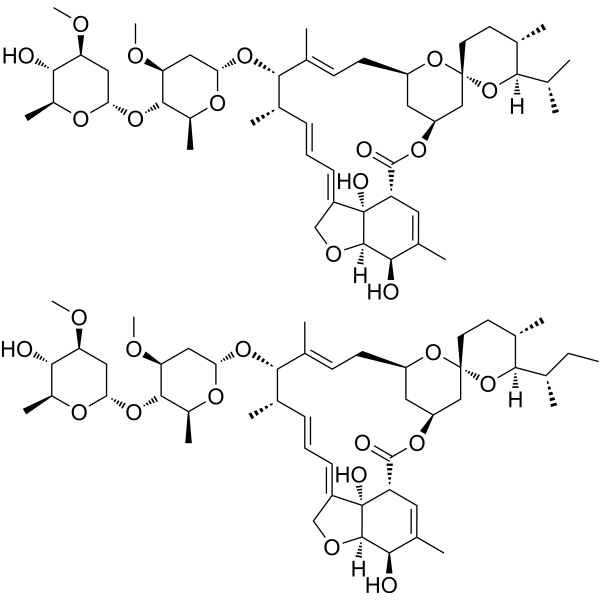 0 ImagesSynonyms: MK-933; CD-5024; K-237Ivermectin (MK-933) is a broad-spectrum anti-parasite agent. Ivermectin (MK-933) is a specific inhibitor of Impα/β1-mediated nuclear import and has potent antiviral activity towards both HIV-1 and dengue virus. It is a positive allosteric effector of P2X4 and the α7 neuronal nicotinic acetylcholine receptor (nAChRs). Ivermectin also inhibits bovine herpesvirus1 (BoHV-1) replication and inhibits BoHV-1 DNA polymerase nuclear import. Ivermectin is a candidate therapeutic against SARS-CoV-2/COVID-19.
-
Acridine Orange hydrochloride
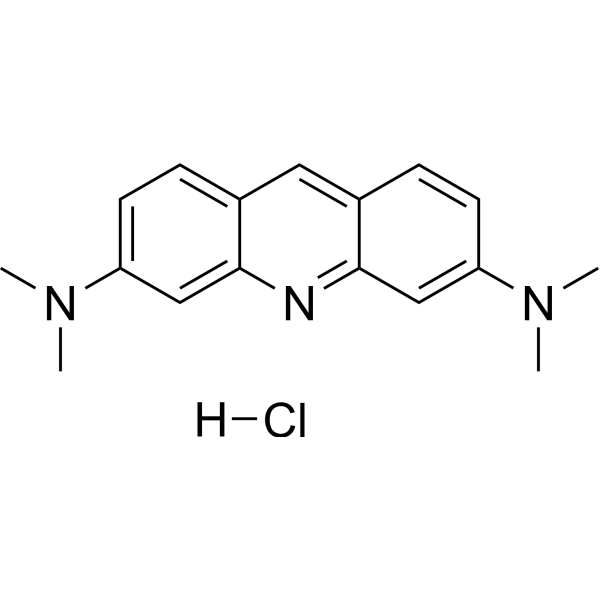 0 ImagesAcridine Orange hydrochloride is a cell-penetrable nucleic acid-selective fluorescent dye. Acridine Orange hydrochloride produces orange fluorescence when it binds to ssDNA or RNA, and green fluorescence when it binds to dsDNA (Ex: 488 nM; Em: green fluorescence at 530 nm, orange fluorescence at 640 nm).
-
5'-Methylthioadenosine
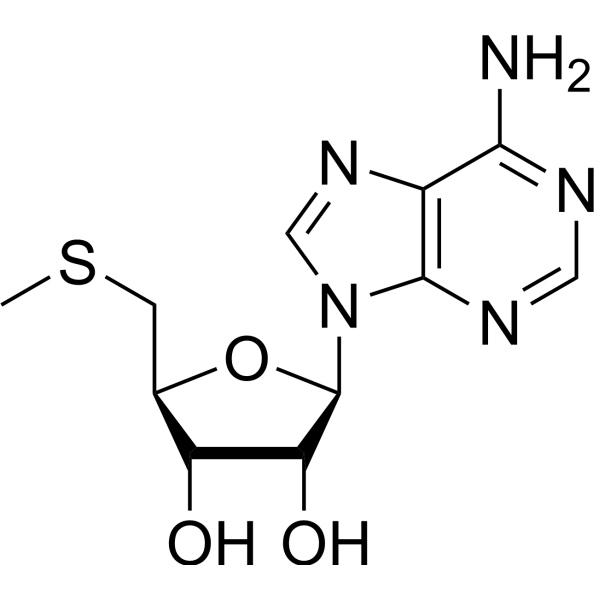 0 ImagesSynonyms: 5'-(Methylthio)-5'-deoxyadenosine; 5'-Deoxy-5'-(methylthio)adenosine; 5'-S-Methyl-5'-thioadenosine5'-Methylthioadenosine (5'-(Methylthio)-5'-deoxyadenosine) is a nucleoside generated from S-adenosylmethionine (SAM) during polyamine synthesis. 5'-Methylthioadenosine suppresses tumors by inhibiting tumor cell proliferation, invasion, and the induction of apoptosis while controlling the inflammatory micro-environments of tumor tissue. 5'-Methylthioadenosine and its associated materials have striking regulatory effects on tumorigenesis.
-
Suramin sodium salt
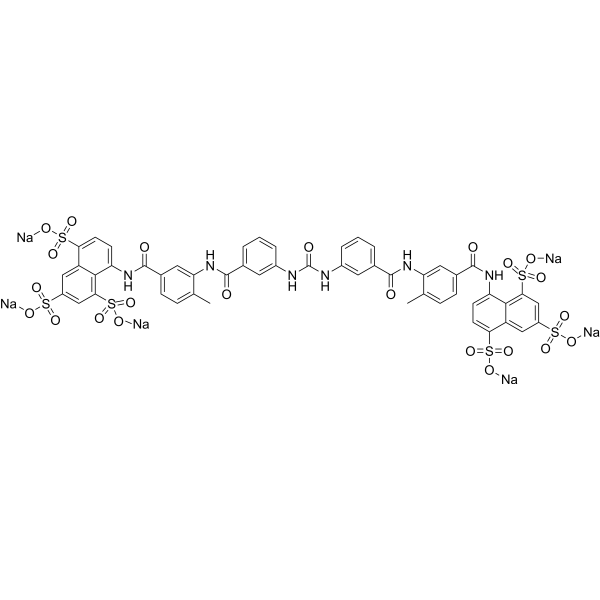 0 ImagesSuramin sodium salt (Suramin hexasodium salt) is a reversible and competitive protein-tyrosine phosphatases (PTPases) inhibitor. Suramin sodium salt is a potent inhibitor of sirtuins: SirT1 (IC50=297 nM), SirT2 (IC50=1.15 μM), and SirT5 (IC50=22 μM). Suramin sodium salt is a competitive inhibitor of reverse transcriptase (DNA topoisomerase II: IC50=5 μM). Suramin sodium salt is a potent SARS-CoV-2 RNA-dependent RNA polymerase (RdRp) inhibitor. Suramin sodium salt efficiently inhibits IP5K and is an antiparasitic, anti-neoplastic and anti-angiogenic agent.
-
Triacsin C
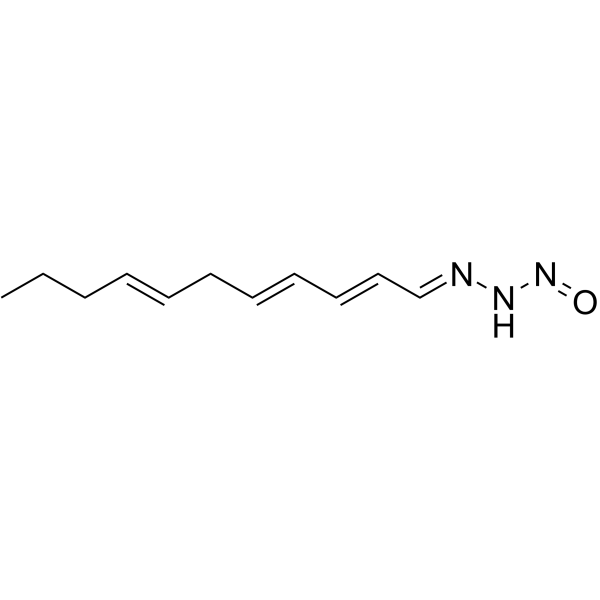 0 ImagesSynonyms: WS 1228A; FR 900190Triacsin C (WS 1228A), is an orally active and intracellular long-chain acyl-CoA synthetases (ACSL) inhibitor, which can be isolated from Streptomyces aureofaciens. Triacsin C inhibits TAG accumulation into lipid droplets (LD) by suppressing ACSL activity. Triacsin C exhibits highly inhibitory effect against rotavirus replication.
-
Artemisinin
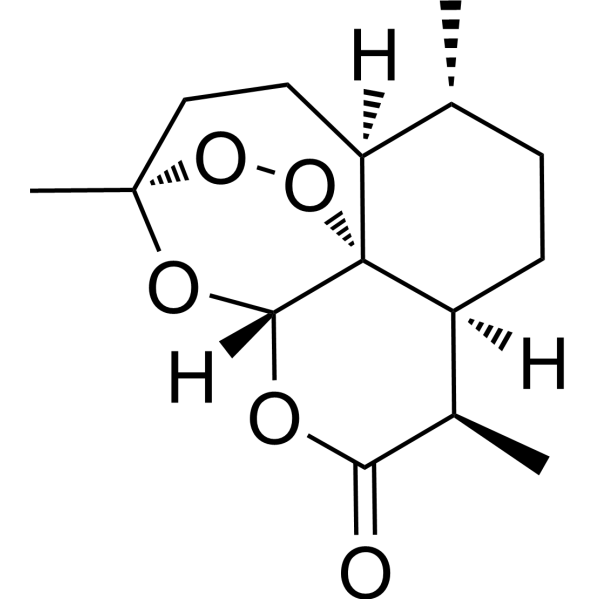 0 ImagesSynonyms: Qinghaosu; NSC 369397Artemisinin (Qinghaosu), a sesquiterpene lactone, is an anti-malarial agent isolated from the aerial parts of Artemisia annua L. plants. Artemisinin inhibits AKT signaling pathway by decreasing pAKT in a dose-dependent manner. Artemisinin reduces cancer cell proliferation, migration, invasion, tumorigenesis and metastasis and has neuroprotective effects.
-
Hydroxychloroquine sulfate
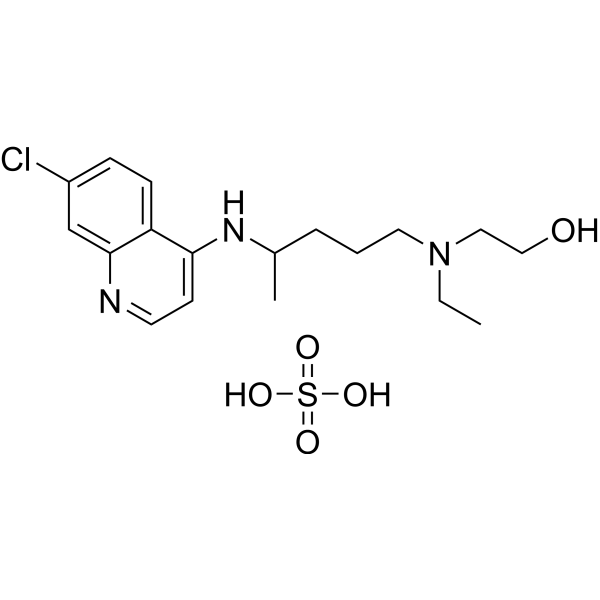 0 ImagesHydroxychloroquine sulfate (HCQ sulfate) is a synthetic antimalarial agent which can also inhibit Toll-like receptor 7/9 (TLR7/9) signaling. Hydroxychloroquine sulfate is efficiently inhibits SARS-CoV-2 infection in vitro.
-
Ibuprofen
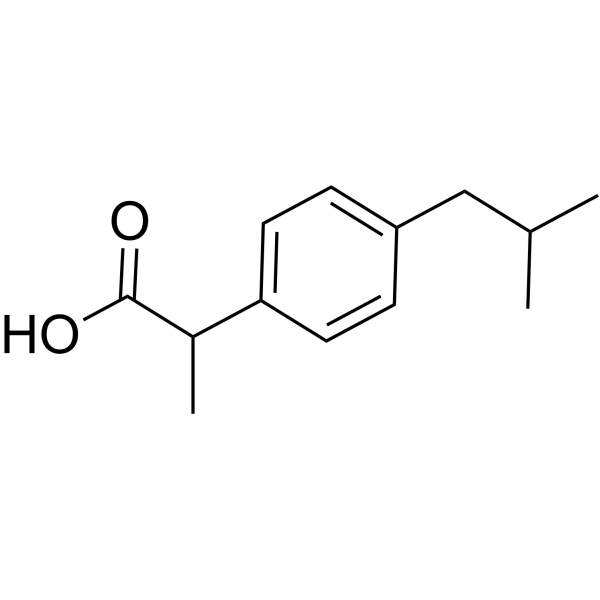 0 ImagesSynonyms: (±)-IbuprofenIbuprofen ((±)-Ibuprofen) is a potent, orally active, selective COX-1 inhibitor with an IC50 value of 13 μM. Ibuprofen inhibits cell proliferation, angiogenesis, and induces cell apoptosis. Ibuprofen is a nonsteroidal anti-inflammatory agent and a nitric oxide (NO) donor. Ibuprofen ((±)-Ibuprofen) can be used in the research of pain, swelling, inflammation, infection, immunology, cancers.
-
Azithromycin
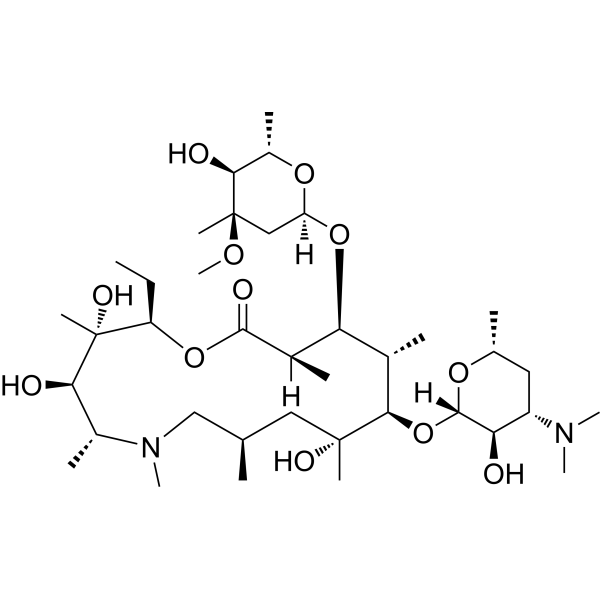 0 ImagesSynonyms: CP 62993Azithromycin is a macrolide antibiotic useful for the treatment of a number of bacterial infections.
-
TPE-MI
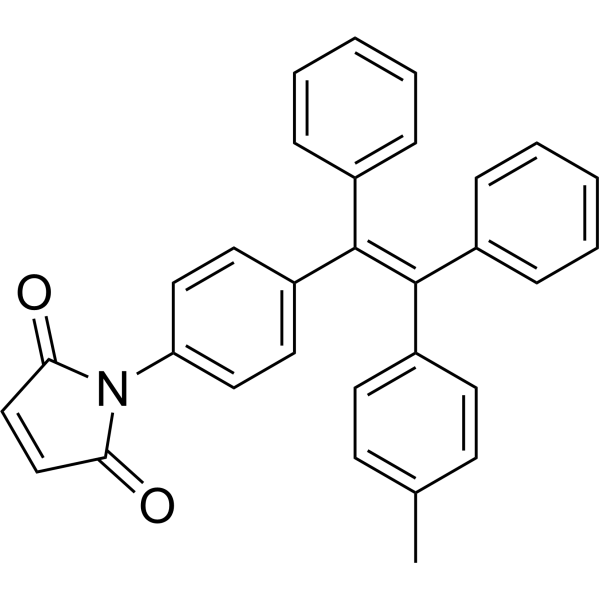 0 ImagesSynonyms: Tetraphenylethene maleimideTPE-MI (Tetraphenylethene maleimide) is a thiol probe for measuring unfolded protein load and proteostasis in cells (the excitation wavelength is 350 nm and the emission wavelength is 470 nm). TPE-MI can report imbalances in proteostasis in induced pluripotent stem cell models of Huntington disease, as well as cells transfected with mutant Huntington exon 1 before the formation of visible aggregates. TPE-MI also detects protein damage following dihydroartemisinin research of the malaria parasites Plasmodium falciparum .
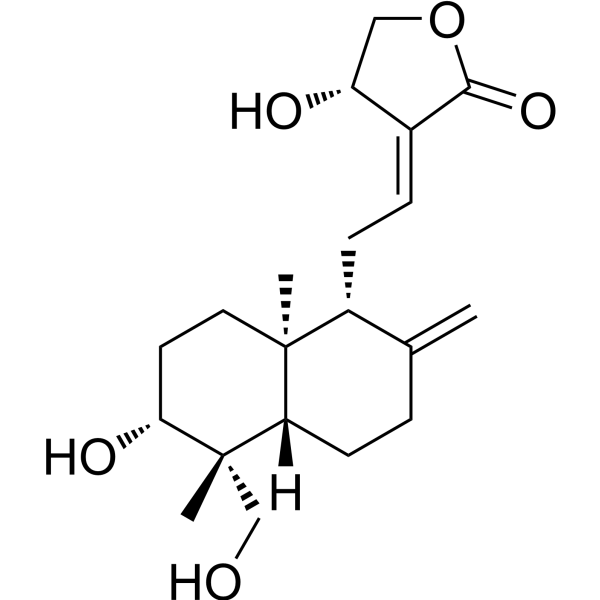
-
Atovaquone
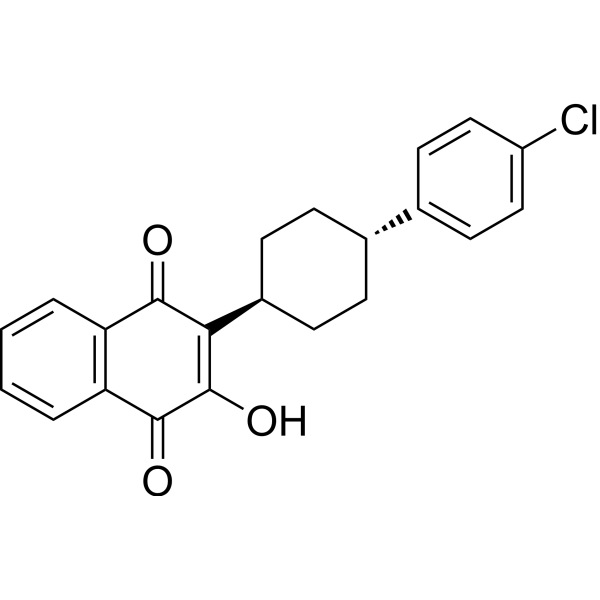 0 ImagesSynonyms: AtavaquoneAtovaquone (Atavaquone) is a potent, selective and orally active inhibitor of the parasite’s mitochondrial cytochrome bc1 complex. Atovaquone is against human and P. falciparum cytochrome bc1 activity with IC50 values of 460 nM and 2.0 nM, respectively. Atovaquone is an antimalarial agent and has the potential for the investigation of neumocystis pneumonia, toxoplasmosis, malaria, and babesia.
-
Eflornithine hydrochloride hydrate
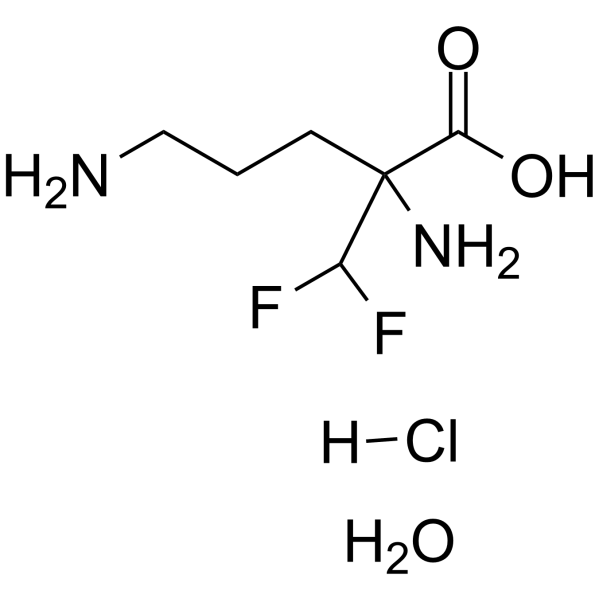 0 ImagesSynonyms: DFMO hydrochloride hydrate; MDL-71782 hydrochloride hydrate; RMI-71782 hydrochloride hydrate; α-difluoromethylornithine hydrochloride hydrateEflornithine hydrochloride hydrate (DFMO hydrochloride hydrate) is a specific, irreversible inhibitor of the enzyme ornithine decarboxylase. Eflornithine hydrochloride hydrate is a medication for the treatment of African trypanosomiasis and excessive facial hair growth in women.
-
Betulinic acid
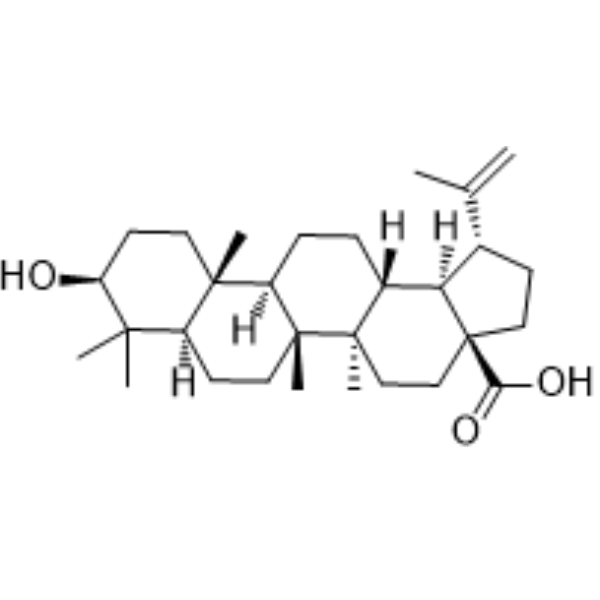 0 ImagesBetulinic acid is a natural pentacyclic triterpenoid, acts as a eukaryotic topoisomerase I inhibitor, with an IC50 of 5 μM, and possesses anti-HIV, anti-malarial, anti-inflammatory and anti-tumor properties. Betulinic acid can cross the blood-brain barrier.
-
Posaconazole
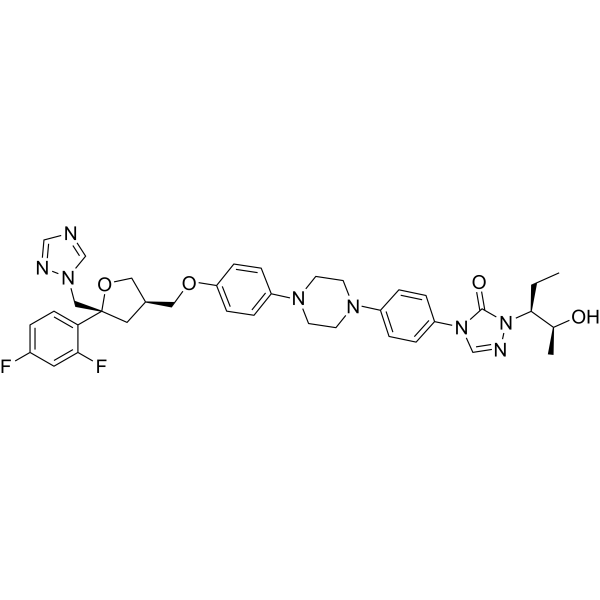 0 ImagesSynonyms: SCH 56592Posaconazole is a broad-spectrum, second generation, triazole compound with antifungal activity.
-
Efavirenz
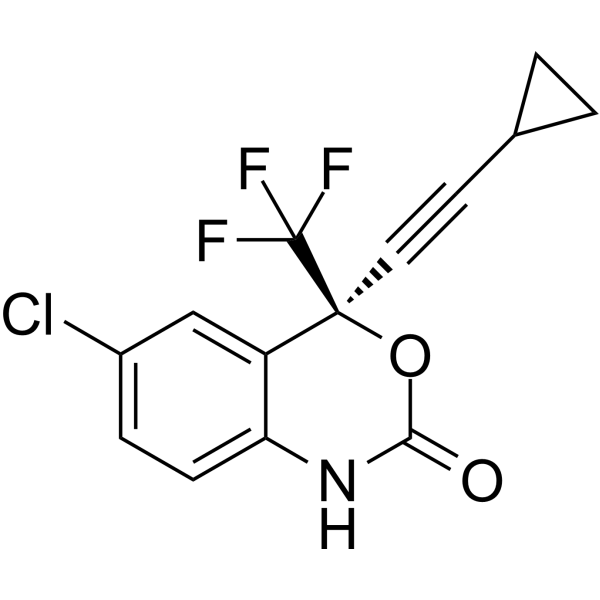 0 ImagesSynonyms: DMP 266; EFV; L-743726Efavirenz (DMP 266) is a potent inhibitor of the wild-type HIV-1 reverse transcriptase with a Ki of 2.93 nM and exhibits an IC95 of 1.5 nM for the inhibition of HIV-1 replicative spread in cell culture.



